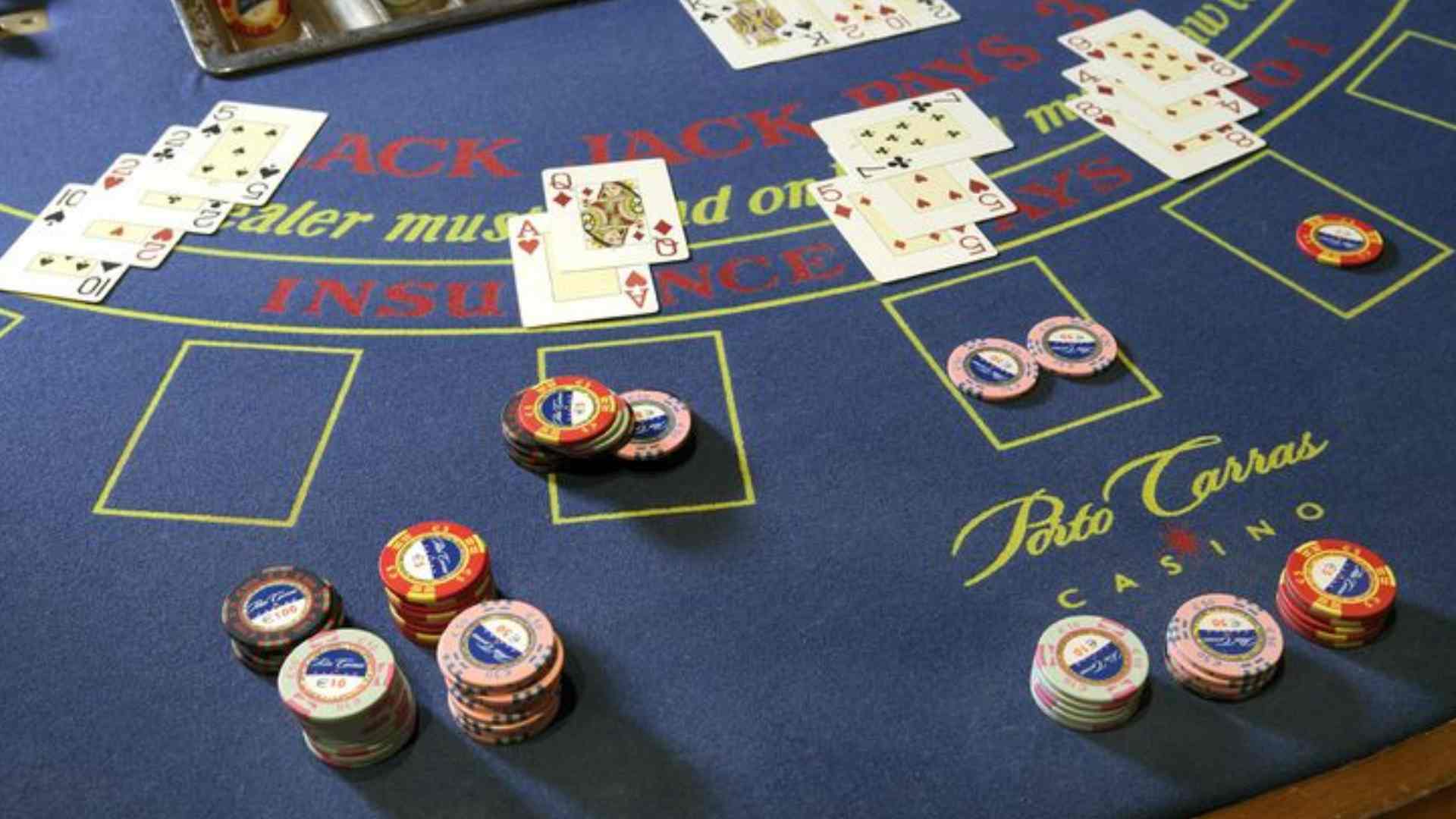
Blackjack stands out in the casino landscape as a game where players can systematically reduce the house edge through deliberate choices. Success at the table rarely comes down to sheer luck or short-term intuition; instead, it favors those who implement structured methods. By leaning into systematic execution and avoiding emotional reactions, card enthusiasts can create a more predictable and sustainable experience.
The Core Framework of Basic Strategy
The foundation of long-term success relies heavily on committing to a mathematically verified decision chart. This matrix dictates the mathematically ideal move for every possible total against the dealer's face-up card. Implementing this strategy consistently prevents players from guessing or making erratic choices driven by recent losses.
For instance, disciplined players know they must always stand on a hard total of seventeen or higher because the risk of busting is statistically too high. Conversely, hitting on low totals ensures that you actively build a stronger position before the dealer plays out their hand. Following these established guidelines creates a steady rhythm that protects your initial capital over extended sessions.
The Mathematical Value of Splitting and Doubling Down
Maximizing potential payouts relies heavily on identifying precise moments to amplify your action on the felt. A universal standard among strategic enthusiasts is to split pairs of Aces and eights regardless of what the dealer holds. Splitting Aces maximizes the chance of hitting a strong finishing hand, while splitting eights breaks up a highly vulnerable initial total of sixteen.
Doubling down offers another powerful avenue when handled with absolute emotional detachment and precision. This tactic is particularly profitable when your starting total equals ten or eleven while the dealer shows a weak low card like a four, five, or six. Utilizing resources on platforms like M88.com allows enthusiasts to practice identifying these high-value scenarios in a controlled digital setting.
Strict Capital Preservation and Emotional Control
Even the most advanced mathematical execution will ultimately falter without rigid control over your available gaming funds. Successful participants separate a dedicated bankroll from their living expenses and firmly commit to baseline session limits. A widely respected rule of thumb suggests wagering only one to five percent of your total budget on a single hand.
Maintaining an unwavering mental state prevents players from falling into common psychological traps, such as chasing losses during temporary downswings. Recognizing that past results have no bearing on future random outcomes is essential for staying grounded. By combining rigorous tactical execution with systematic budgeting, you turn a casual pastime into an exercise of true strategic skill.