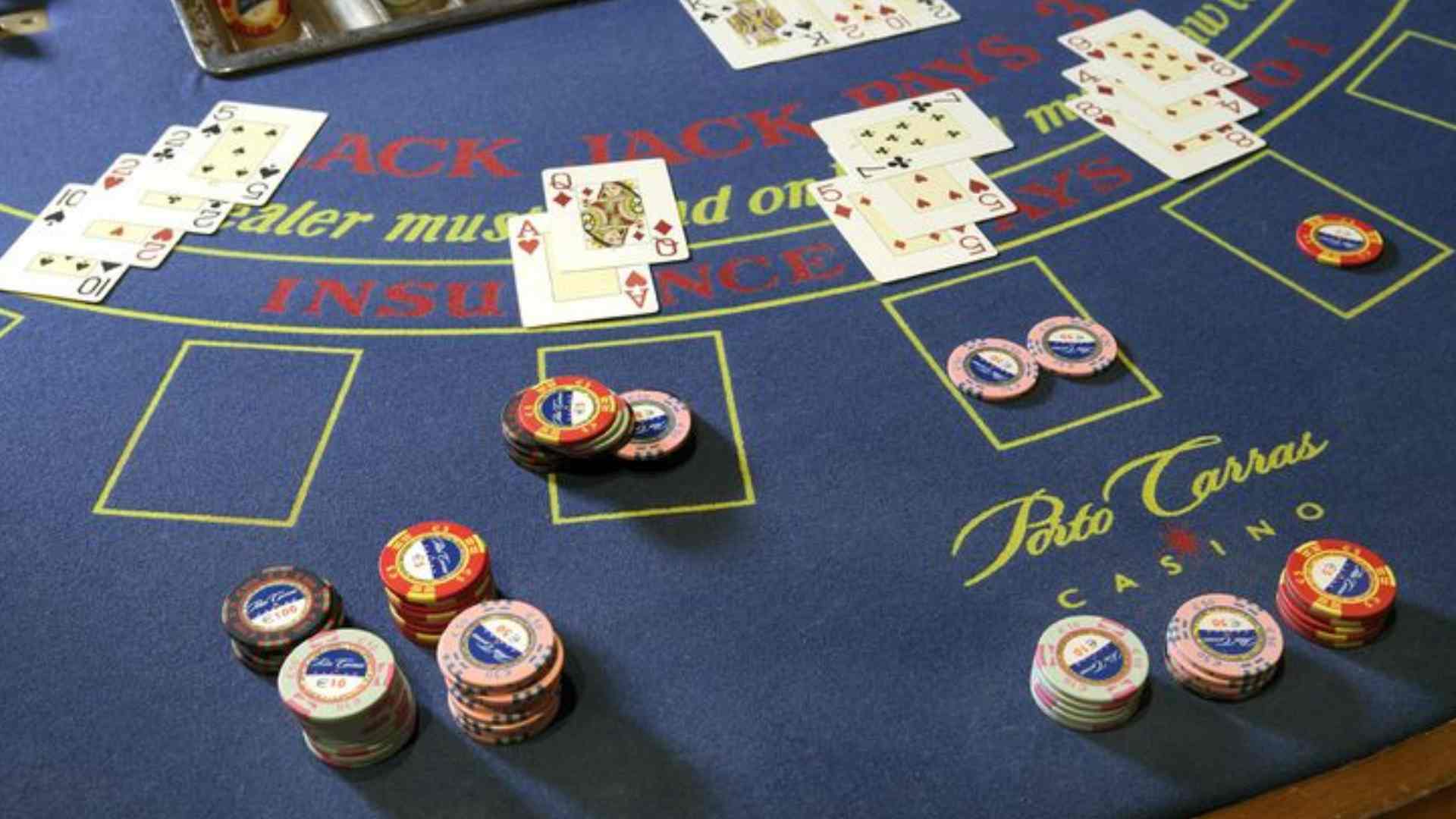
Exploring various poker variants is one of the most effective ways to sharpen your decision-making and build a versatile tactical mindset. While Texas Hold'em remains the most popular format, branching out into other structures reveals unique mathematical and psychological dynamics. By studying these differences, players can cultivate a deeper understanding of risk management and adaptive play.
The Analytical Depth of Omaha Poker
Omaha poker challenges players by dealing four hole cards instead of two, dramatically increasing the complexity of hand combinations. This structural shift requires strict starting hand selection and a deep understanding of post-flop possibilities. Players must learn to calculate drawing odds with high precision since strong hands are much more common in this format.
Mastering this game teaches the essential lesson of patience and card coordination. It forces you to look beyond simple pairs and evaluate how multiple cards interact to form potential blockades or nut draws. Transitioning to this style of play helps eliminate the habit of overplaying weak or marginal starting hands.
Memory and Observation in Seven Card Stud
Before community card variants dominated the industry, Seven Card Stud was the ultimate test of a player's mental focus. Since there are no shared cards on the board, success relies heavily on your ability to track folded cards throughout each round. Keeping mental notes of exposed cards allows you to calculate live draws with incredible accuracy.
This traditional format rewards disciplined observers who can read physical and betting tells over extended periods. Developing these cognitive skills can significantly enhance your performance when visiting a reputable gaming platform like M88 link to test your strategies. Ultimately, the lessons of tracking visible information will improve your overall efficiency across all card variants.
Inverting Hand Values in Lowball Formats
Lowball games like Razz or Triple Draw completely flip traditional poker hand rankings by rewarding the lowest possible card combination. This reverse structure forces your mind to adapt to entirely new patterns of evaluation and pot control. It breaks the repetitive cycle of standard games and forces you to view card values from a fresh perspective.
Playing lowball variants highlights the critical importance of position and betting initiatives. It teaches you how to execute bluffs when your opponents are forced to draw, emphasizing the psychological aspects of hidden information. These tactical adjustments are invaluable for building a comprehensive approach to modern table dynamics.
Maximizing Versatility with Mixed Games
Mixed game formats like HORSE rotate through different poker variants after a set number of hands, forcing participants to constantly adjust their strategic framework. This rapid transition prevents players from settling into a comfortable routine and demands complete mental adaptability. To succeed, you must understand the subtle nuances of limit, pot-limit, and no-limit betting structures.
Developing proficiency in multiple formats ensures that you remain competitive regardless of the table environment. It keeps your mind agile, prevents mental fatigue, and allows you to capitalize on opponents who specialize in only one style. Embracing these diverse challenges is the ultimate path to becoming a highly skilled and resilient player.