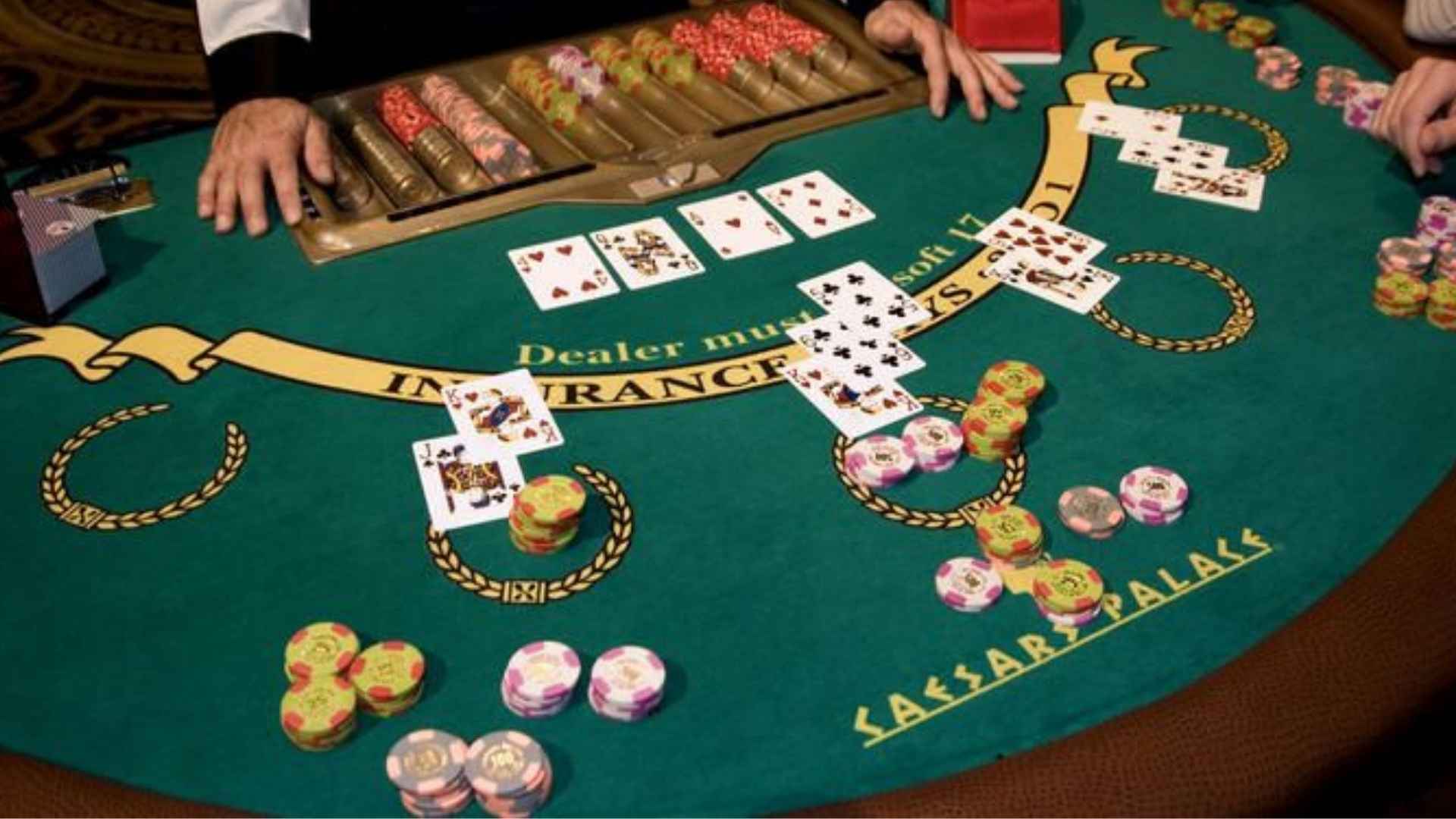
Success at the poker table is built on a foundation of discipline, starting from the very first decision made in a hand. Many players compromise their long-term profitability by entering pots with marginal cards, assuming post-flop skill can bail them out of difficult situations. Developing a strict filter for your initial cards remains the most direct way to protect your bankroll and streamline your future decisions.
The Mathematical Reality of Subpar Holdings
Every starting combination in card games carries a specific theoretical equity against an opponent's distribution. Entering a pot with structurally weak cards baseline means you are voluntarily giving away a mathematical advantage before the community cards are dealt. Over time, this small operational leak compounds into significant financial loss regardless of your bluffing abilities.
Patience is often the defining factor that separates consistent winners from developing enthusiasts. By waiting for mathematically viable holdings, you ensure that when you do commit your chips, you are doing so with a statistical edge. This rigorous selectiveness dramatically minimizes the variance you will face over an extended playing session.
How Position Alters Hand Valuation
Table position dictates exactly how flexible or conservative your initial selection criteria ought to be. When acting early in a betting round, you must operate with maximum caution because you will have to play the remainder of the hand without vital positional information. A card combination that is highly profitable from the dealer button can quickly become a financial liability when played from under the gun.
Understanding this situational leverage allows you to adjust your baseline ranges dynamically as action moves around the table. Playing fewer pots out of position simplifies your strategic choices and prevents aggressive opponents from isolating you. Utilizing a reliable platform like the M88 link can help you test these positional adjustments safely and monitor your overall progress in real time.
Recognizing False Post-Flop Security
A frequent psychological trap for novice competitors is the belief that extraordinary tactical execution can overcome poor pre-flop discipline. While creative post-flop maneuvers are important, they become incredibly risky when your underlying card equity is fundamentally compromised. Frequently finding yourself in marginal situations with second-best pairs or weak draws creates unnecessary tactical stress.
When you start a hand with structurally sound cards, your post-flop options become much cleaner and far more profitable. You will rarely have to guess whether your top pair is beaten or if your draw is structurally inferior. True mastery over the green felt surface begins by actively eliminating these self-imposed obstacles before they cost you critical chips.
Cultivating Long Term Table Restraint
Maintaining a disciplined approach to your opening choices requires a high level of emotional resilience, particularly during extended dry spells where you receive poor cards. Rushing into a pot out of pure boredom is a classic behavior that can instantly derail a highly profitable strategy. Seasoned veterans view folding as an active investment toward preserving capital for genuine high-value opportunities.
Treating every single hand with objective analytical focus ensures that your execution remains entirely separate from temporary emotional impulses. Developing this internal framework allows you to construct a highly resilient and sustainable winning system. Ultimately, controlling your initial card requirements forms the bedrock of an elite tactical mindset.